
The Counting House — Pontefract
Oak Frames, Boxing-ins & Interior Details
A large amount of visible oak joinery fitted into the everyday parts of the interior — machined and worked around windows, frames, toilet areas and boxing-ins, with new and old oak brought together by eye and hand.
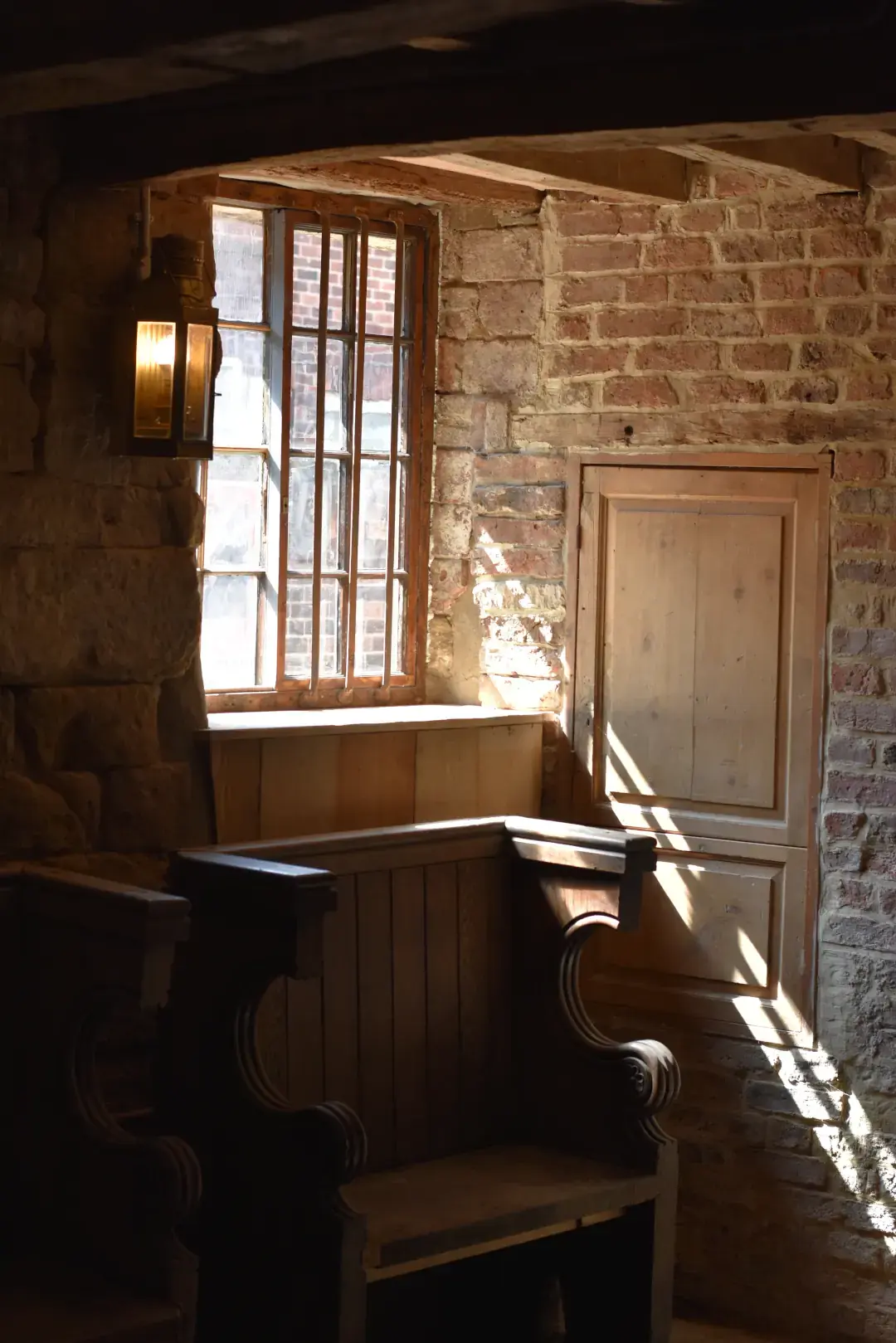
Frames, boxing-ins and reused timber
Oak was machined to size and worked around windows, frames, toilet areas, boxing-ins and other junctions, so the service spaces still felt part of the same heritage scheme. Each piece had to be practical, neat and in keeping with the old building around it.
Where a piece of original timber could be reused, it was. A salvaged panelled door was repurposed as the front of a bespoke boxed-in cupboard — old character kept in the building rather than thrown away.
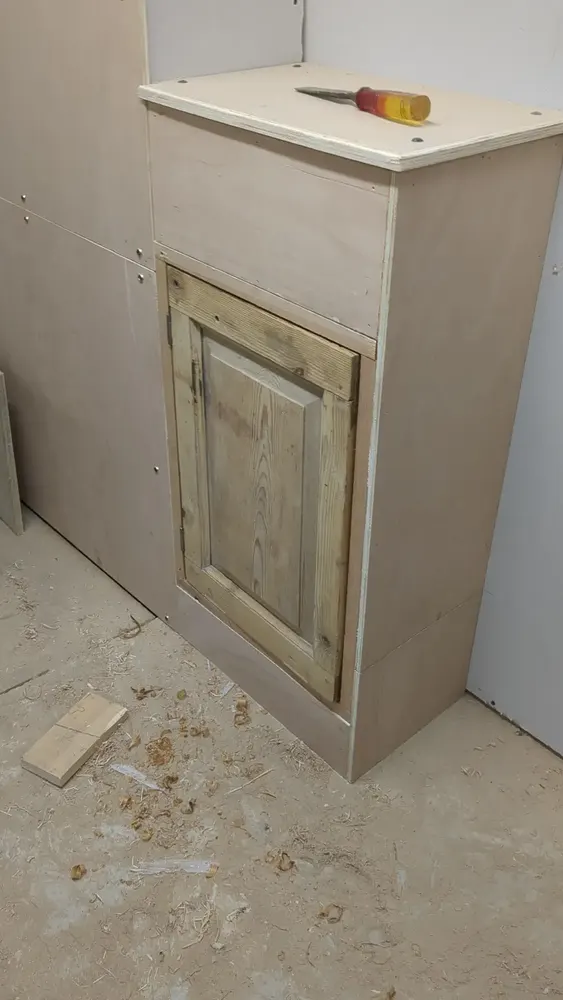
Old oak, new oak and rustic detail
A sawn, rustic finish was chosen for much of the oak, so new work sat naturally against the old fabric rather than looking too clean or too flat. New oak was machined accurately, then judged against reused oak and existing timber so the finished detail felt believable — colour, grain and edge sharpness all mattered.
Where it suited the room, oak was also shaped and moulded: near the bar stair, a newel and post detail was fluted and given an ogee-style moulding, a small decorative lift that kept the piece in the building’s traditional language.
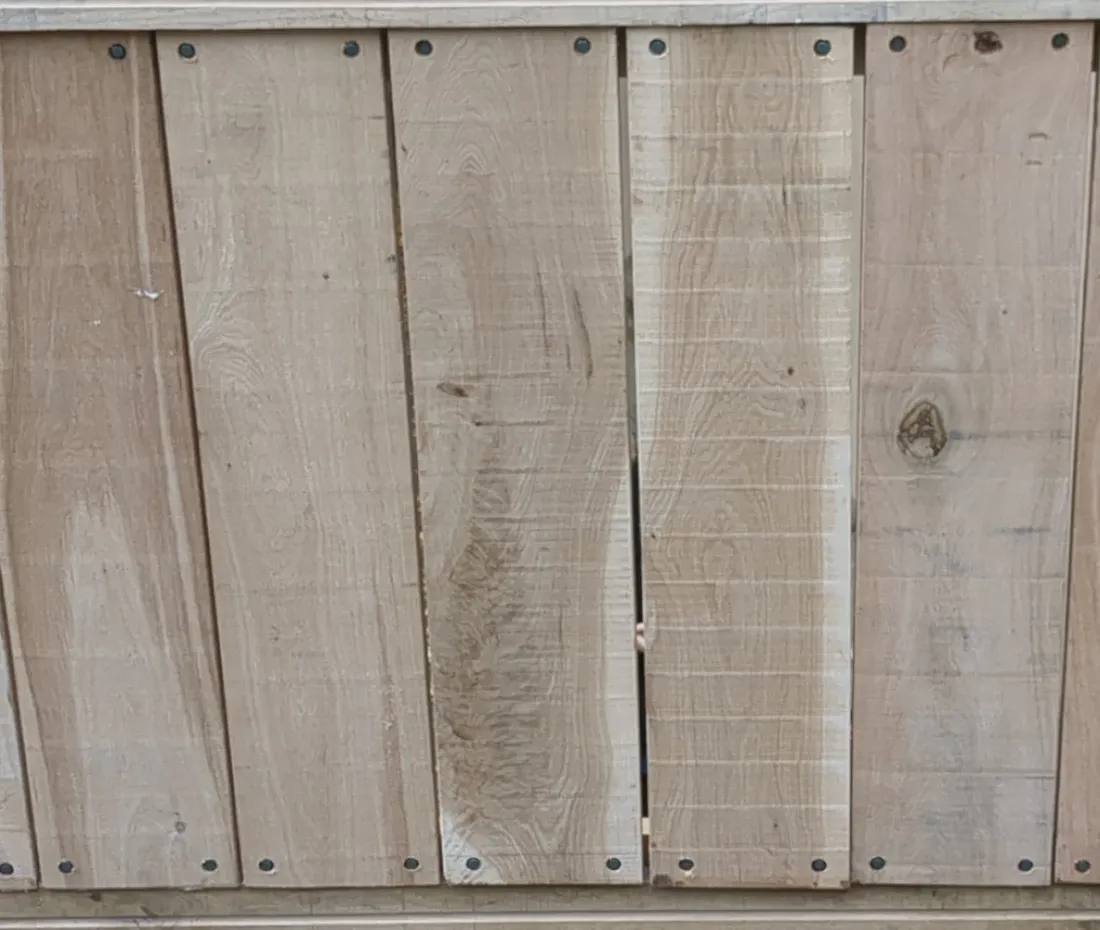
New oak against original fabric
The finished interior is a mix of new oak, reused oak and original fabric — stone-flagged floors, exposed brick and old timber all sitting together.
Good interior joinery in a building like this is not about making everything shout. It is about line, fit, proportion and finish, so the oak looks considered and settled against centuries-old surroundings rather than added late.
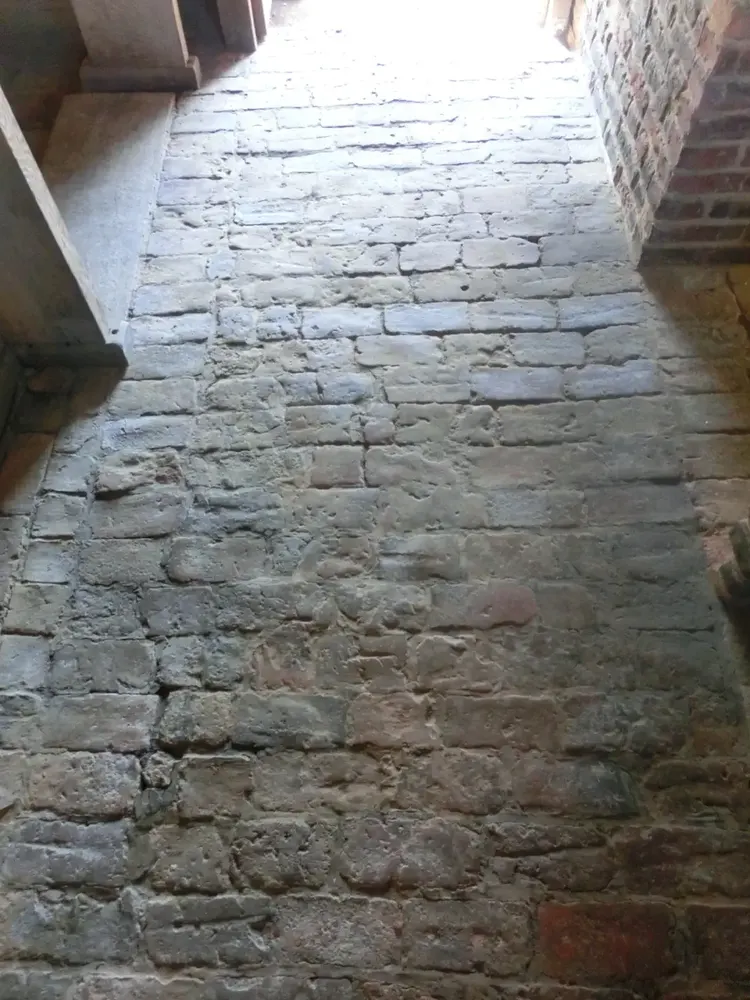
Need oak interior joinery?
For oak frames, boxing-ins, feature details or careful matching against older timber, send photos of the room and the junctions involved.