
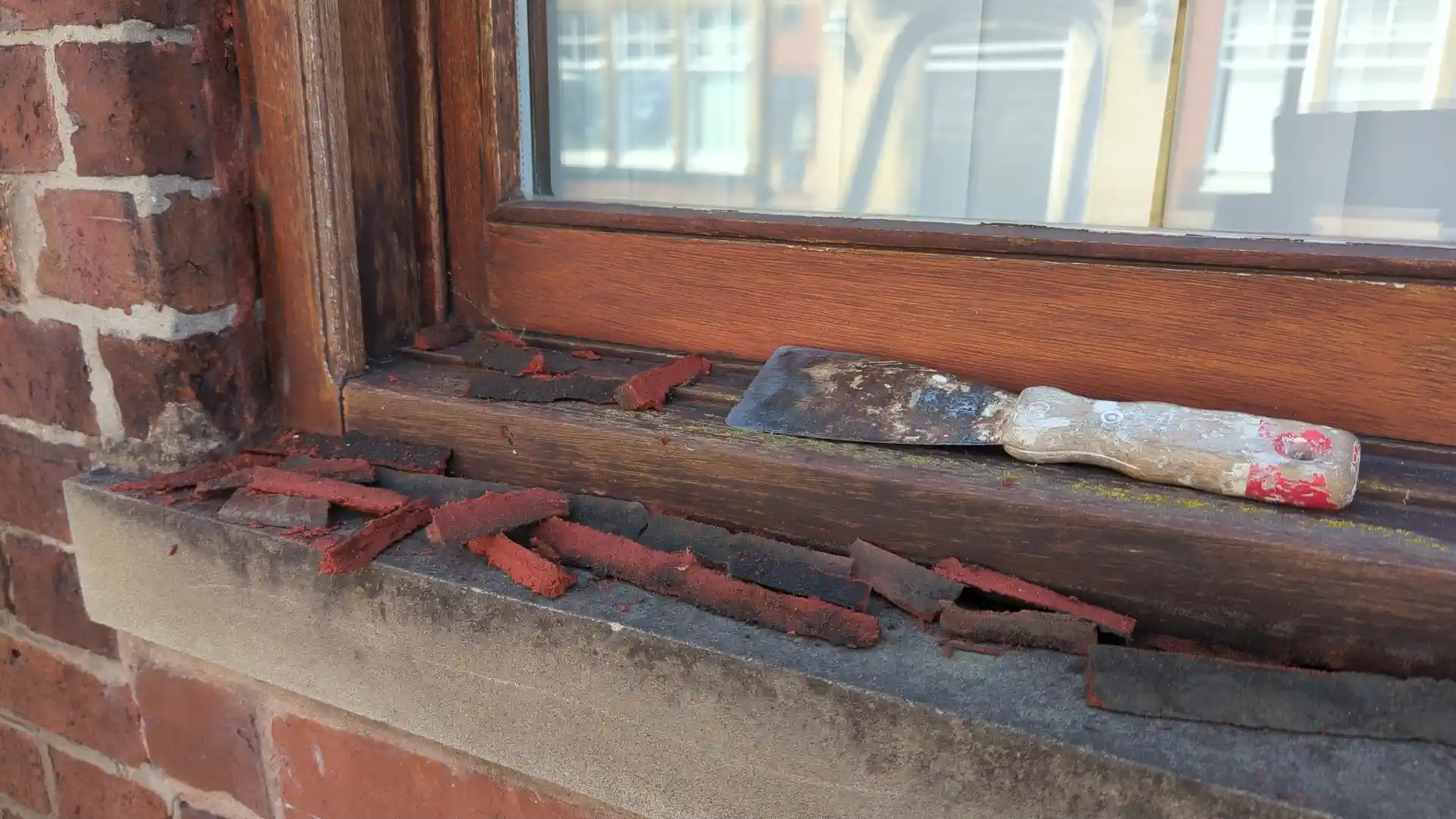
1. Retain
Sound timber, minor movement, local wear, failed putty, loose beads, stiff operation, or small areas that do not affect structure.
No two jobs price the same — send photos for an honest first view.
Related service →Repair-first framework
Most period timber can often be repaired, but not all timber should be repaired at any cost. Rob preserves what can be soundly retained and recommends selective or full replacement only when timber viability is too low for an honest result.
Rob starts with the lowest sensible intervention and moves up only when the timber condition justifies it.
Sound timber, minor movement, local wear, failed putty, loose beads, stiff operation, or small areas that do not affect structure.
No two jobs price the same — send photos for an honest first view.
Related service →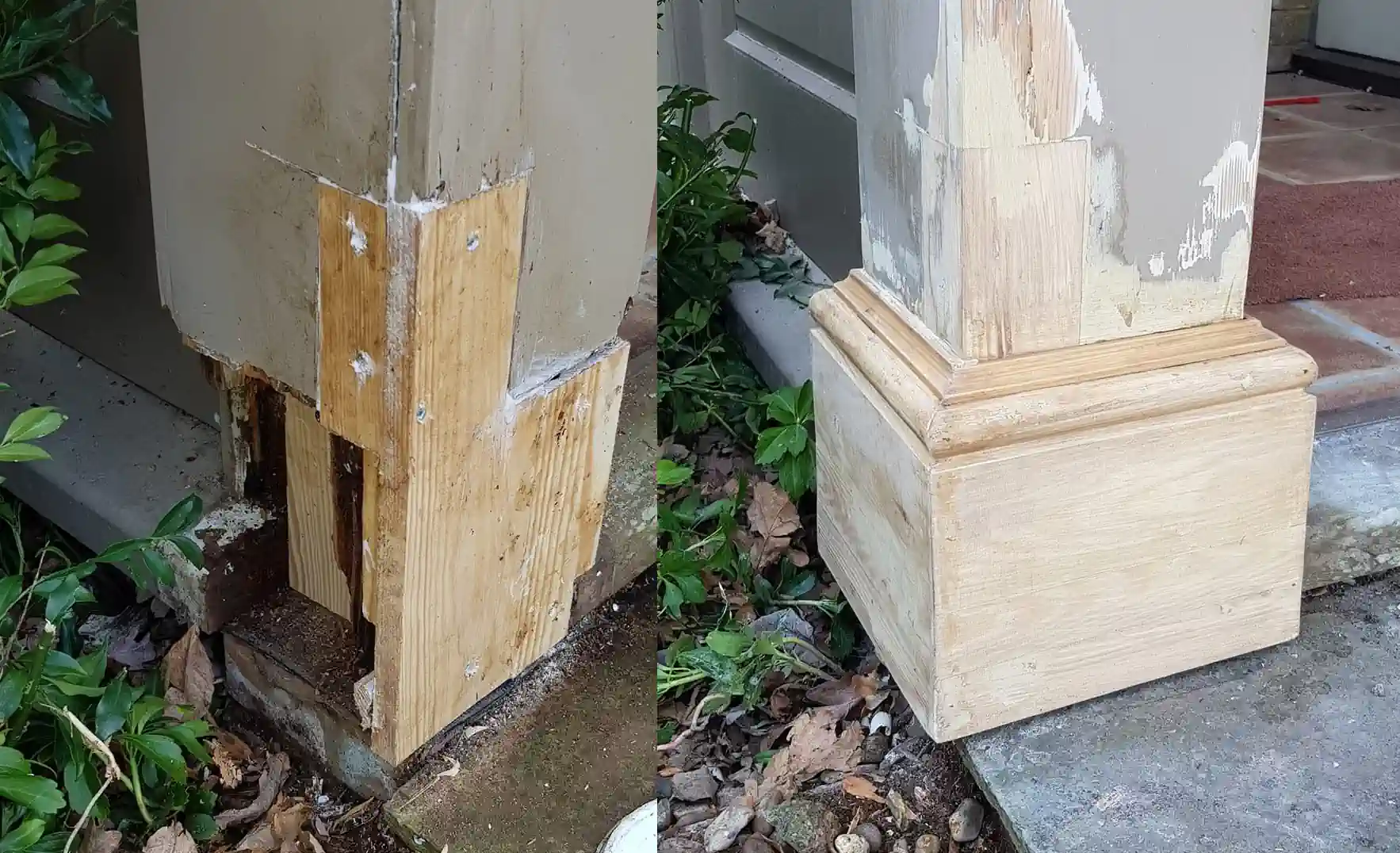
Decay is localised and can be cut back to sound timber while retaining the original member, profile, and surrounding fabric.
No two jobs price the same — send photos for an honest first view.
Related service →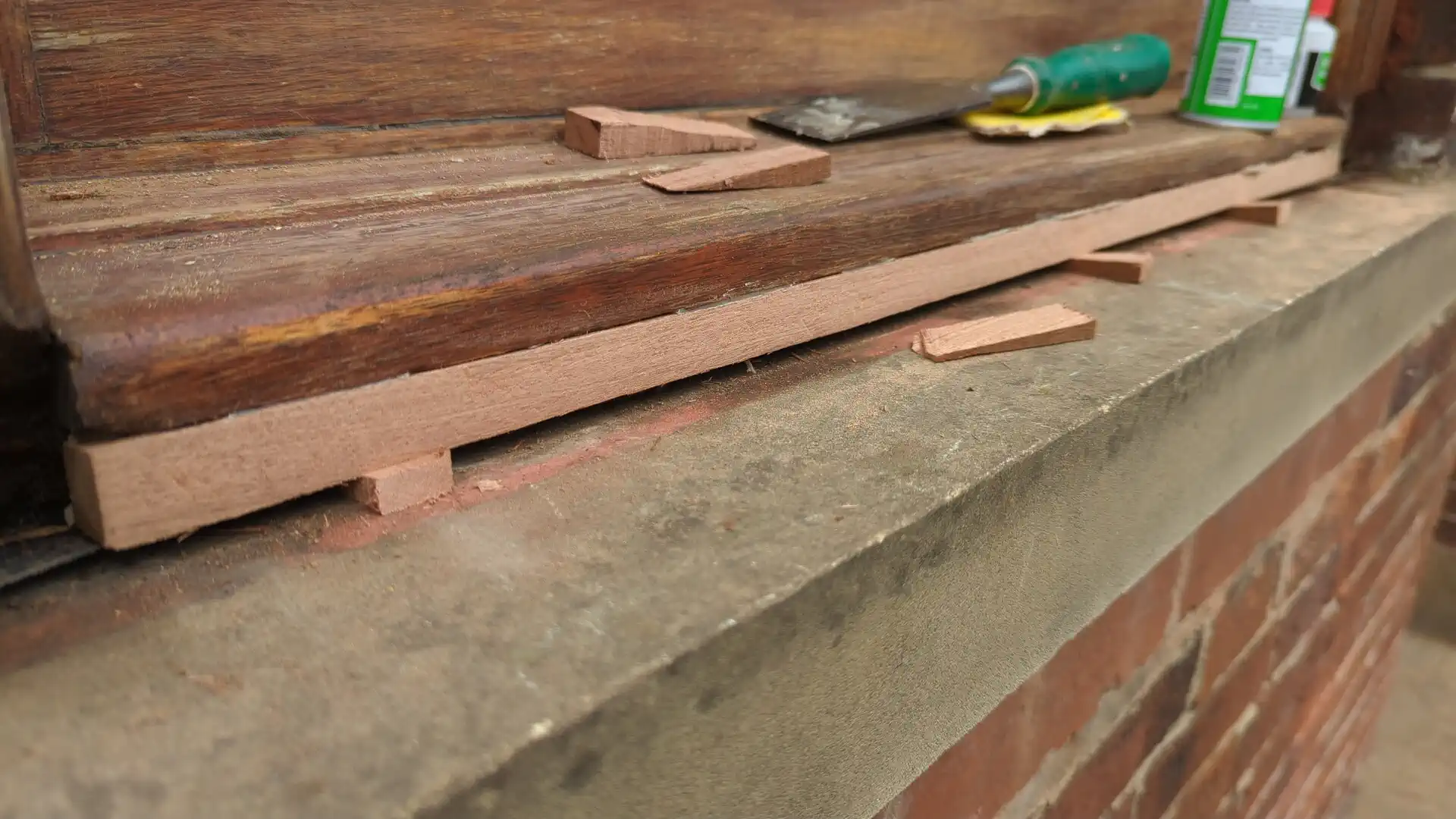
A rail, stile, sill, frame section, or door component is too far gone, but the wider window or door can still be retained.
No two jobs price the same — send photos for an honest first view.
Related service →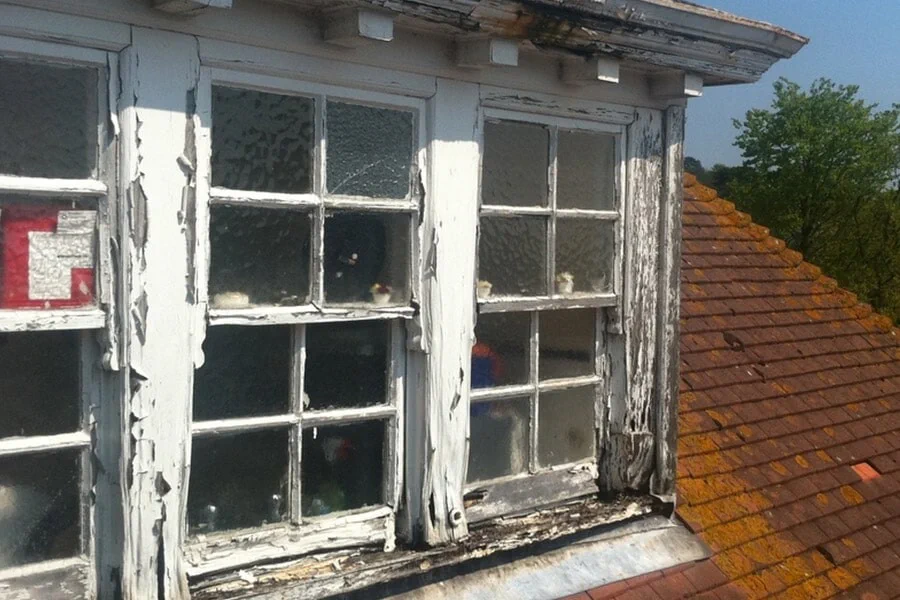
Remaining sound timber is too low for a durable repair, critical zones have failed, or earlier repairs make another repair poor value.
No two jobs price the same — send photos for an honest first view.
Related service →A good recommendation comes from condition. These are the practical checks behind the advice.
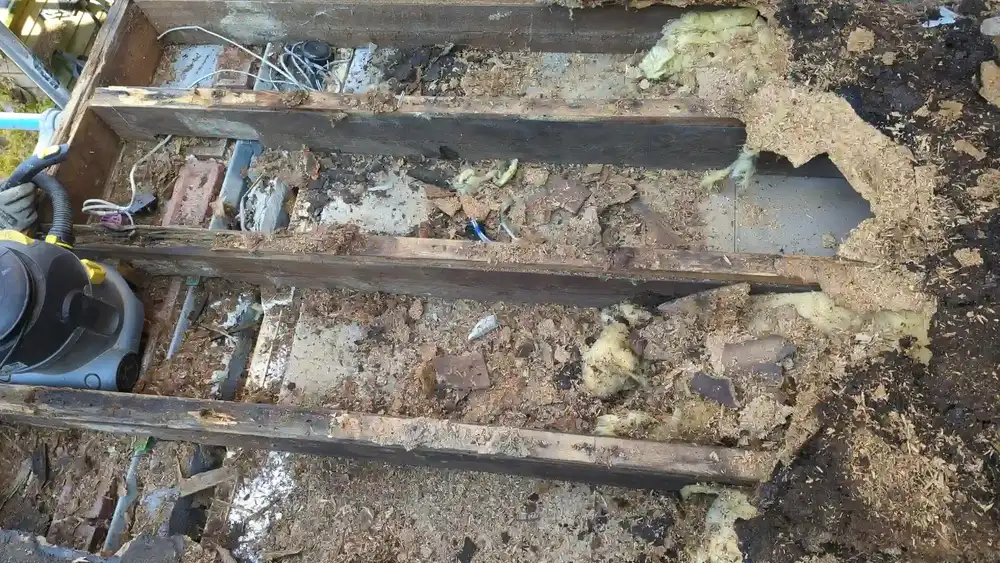
Repair-first does not mean repair-at-any-cost. It means preserving original timber where it can be retained soundly, and replacing only the parts, or the full unit, when that is the better long-term answer.
On a Grade II listed cottage in Greengates, Bradford, the owner had already concluded the window needed replacing. Inspection put it at stage two: the decay was confined to the bottom rail of the opening casement, and the stiles, top rail and original leaded glazing were all sound.
The rot was cut back to firm timber and new timber let in along the rail. The window stayed in the building. That is the difference an assessment makes — and on a listed building it is also the difference between a repair and an alteration that needs consent.
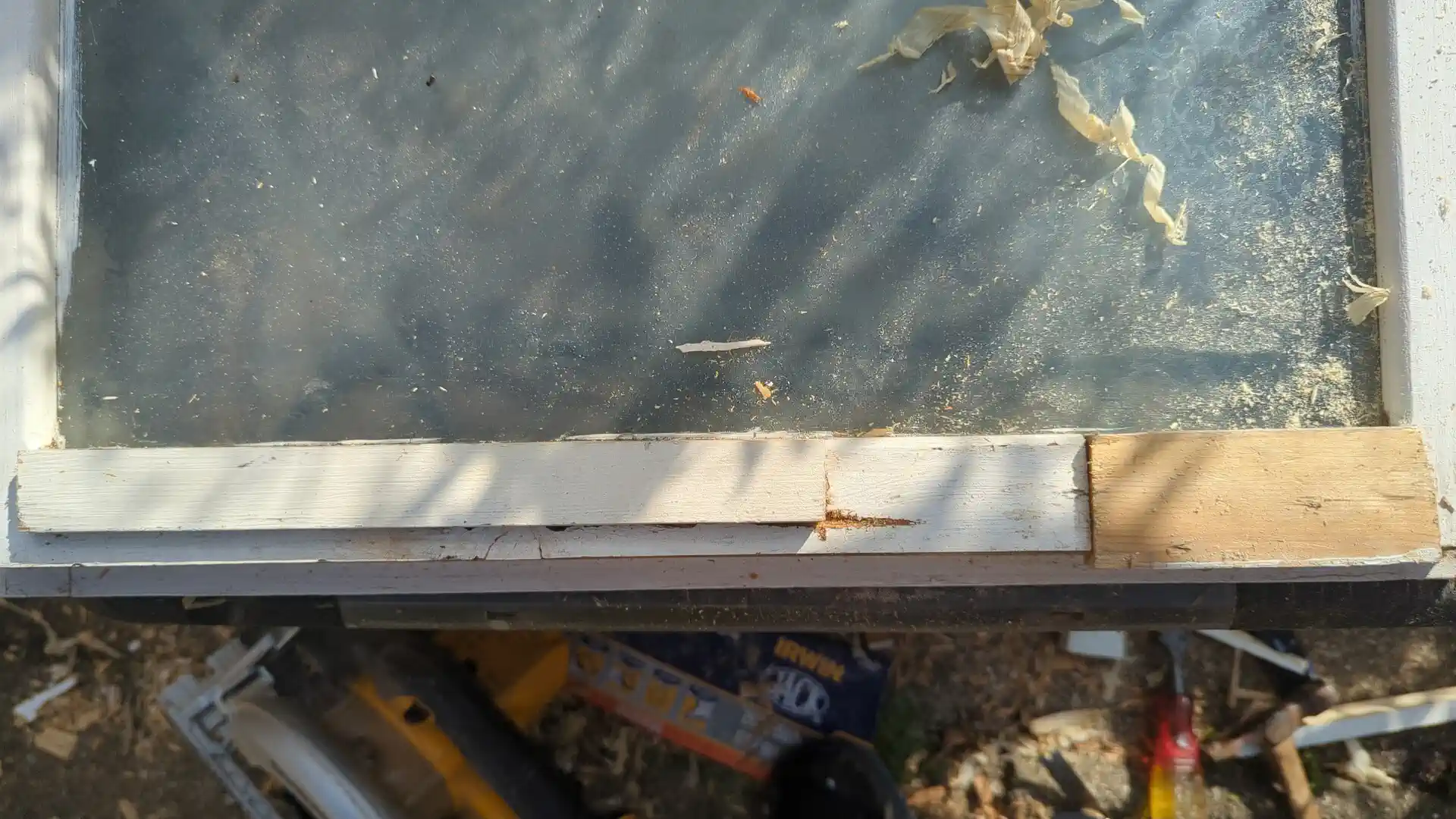
Stage two in practice — localised decay cut out, new timber let in, the window retained.
Where the timber is viable, repair usually protects more value than a full replacement route.
Repair typically avoids much of the cost of full manufacture, removal, making-good, disposal, and redecoration.
Repair to existing fabric usually avoids the consent routes often triggered by listed-building replacement.
Original timber, glass, tooling marks, and ironmongery carry age and authenticity that new joinery struggles to reproduce.
Draught-proofing, careful repair, and suitable secondary or slim-profile upgrades can often improve comfort while retaining fabric.
Retaining sound timber keeps embodied carbon in place and avoids unnecessary manufacturing, transport, and waste.
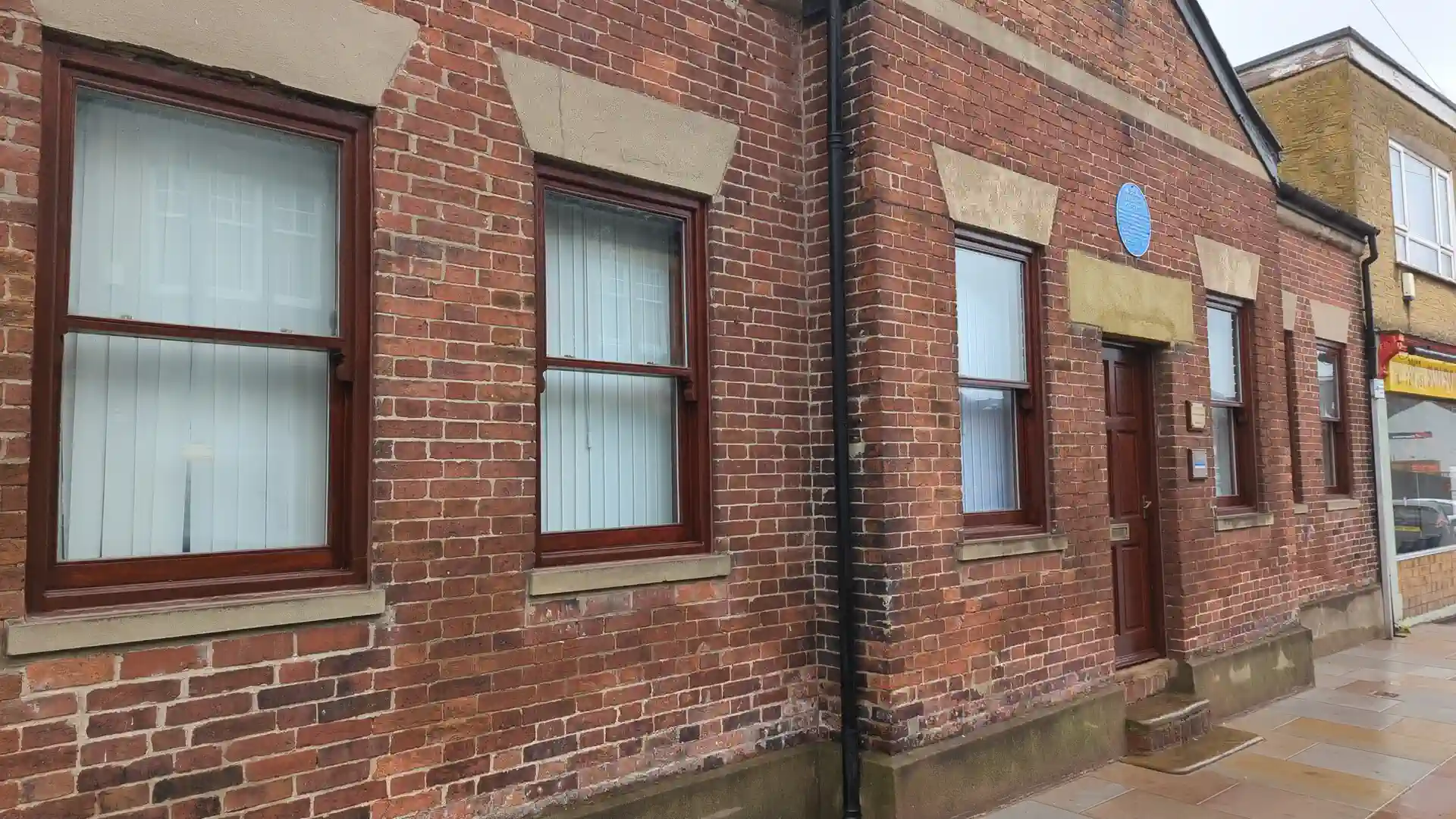
Good joinery is problem-solving. Rob starts by finding the cause, checking the sound timber, and judging the load path or weathering detail. The route then moves from retain, to selective splice, to partial replacement, and finally to full replacement only when the evidence points there.
Clear photos are often enough for Rob to give a first view on whether repair is likely to be viable. A final recommendation still needs site inspection.